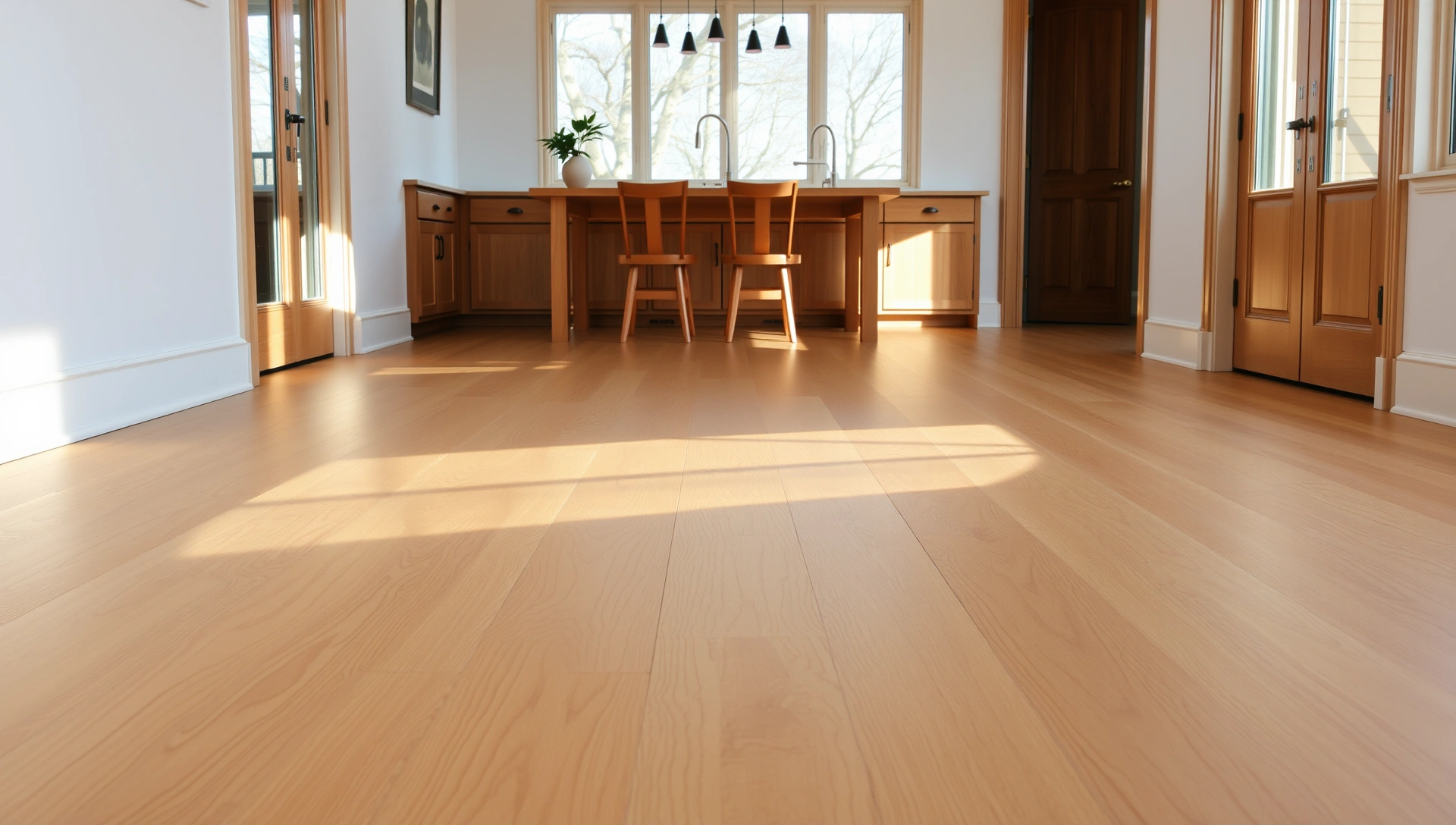
Engineered Wood Flooring Installation in North Mississippi
Real hardwood beauty engineered to survive North Mississippi's humidity. Professional installation across Oxford, Water Valley, Sardis, and Lafayette County.
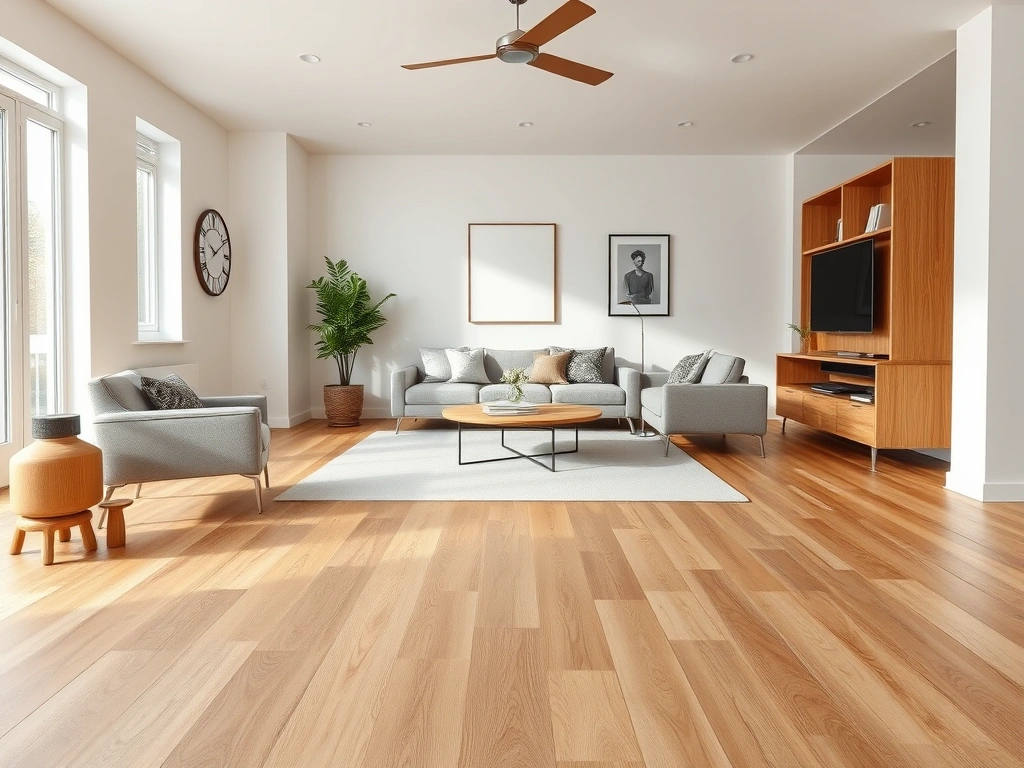
Engineered wood flooring gives Oxford homeowners what solid hardwood cannot always deliver in a Southern climate: the warmth and character of real wood with a layered construction that resists the humidity swings North Mississippi throws at it every summer. TAV Construction has installed engineered hardwood in hundreds of homes across Lafayette County — from slab-on-grade ranches to two-story craftsman builds — and we bring the same precision to every square foot.
Whether you're updating a living room, finishing a basement-level bonus room, or replacing cupped solid hardwood that failed in a past humid season, this page walks through exactly how we select, prepare, and install engineered wood flooring to last 25 to 50 years in a Mississippi home.
Engineered Wood: The Smart Choice for Mississippi Climates
Multi-layer construction solves the core problem solid hardwood faces in high-humidity environments — without sacrificing the look or feel of real wood.
Multi-Layer Construction Prevents Warping
Engineered wood is built from a real hardwood veneer bonded over multiple layers of high-density plywood or HDF (high-density fiberboard) core. The grain of each layer runs in alternating directions — the same cross-ply principle used in structural plywood. This construction counteracts the natural expansion and contraction that causes solid hardwood to cup, crown, and gap in North Mississippi's humidity cycles.
Oxford averages relative humidity levels above 70% during summer months. Solid hardwood requires extremely controlled indoor conditions (45–55% RH year-round) to stay stable. Engineered wood tolerates a broader humidity range — typically 35–65% RH — making it far more forgiving in homes that don't maintain perfect HVAC consistency across every room.
Real Hardwood Veneer — Not a Printed Reproduction
The top layer of engineered flooring is genuine hardwood — the same species you'd find in solid planks. Oak, hickory, maple, walnut, and exotic species like acacia are all available as engineered products. The grain, texture, and staining options are identical to solid wood because the veneer is solid wood, typically 2 to 6 mm thick depending on grade.
This distinguishes engineered wood from laminate, which uses a photographic layer over an HDF core. When you refinish an engineered floor — sanding back the surface and applying new stain — you're sanding real wood, not a printed image. The distinction matters significantly for resale value and long-term appearance maintenance.
Installs Over Concrete Slabs and Wood Subfloors
Engineered wood is one of the few hardwood-category flooring products that can be glued directly to a concrete slab. This capability is critical in North Mississippi, where a substantial percentage of homes — particularly those built from the 1960s through 1990s — sit on slab-on-grade foundations. Solid hardwood requires a wood subfloor and cannot be glued to concrete without extreme risk of moisture damage.
On concrete, we install a vapor barrier appropriate to the measured moisture transmission rate, apply a full-spread flooring adhesive rated for engineered hardwood, and use a notched trowel technique that ensures full bond coverage without voids. On wood subfloors, engineered wood can be nailed, stapled, glued, or installed as a floating floor depending on your subfloor's condition and the product's specification.
Eco-Friendly Options with Sustainable Core Materials
Because engineered wood uses only a thin veneer of premium hardwood species over a plywood or HDF core, each plank requires significantly less old-growth timber than an equivalent solid hardwood plank. Several manufacturers source their core layers from fast-growing plantation species or reclaimed wood composites, and some carry FSC (Forest Stewardship Council) certification.
For homeowners prioritizing LEED points or sustainable renovation certifications, engineered flooring is a straightforward way to use real wood finishes while reducing the overall harvest footprint. We work with suppliers that carry low-VOC adhesive and finish options for clients sensitive to off-gassing during and after installation.
Engineered Wood Installation Cost by Grade — Oxford, MS
Installed price includes labor, moisture barrier, and standard trim transitions.
| Grade | Wear Layer | Installed Cost | Notes |
|---|---|---|---|
| Builder / Entry Grade | 2 mm | $4.50 – $6.50 / sq ft | Good for rental properties; limited refinish potential |
| Mid-Grade Residential | 3 – 4 mm | $6.50 – $9.50 / sq ft | Best value tier; one to two refinish cycles possible |
| Premium / Wide-Plank | 6 mm+ | $9.50 – $14.00 / sq ft | Long lifespan; multiple refinishes; thicker real-wood veneer |
| Exotic Species (e.g., Acacia, Hickory) | 3 – 6 mm | $10.00 – $16.00 / sq ft | High visual impact; verify local availability in Oxford |
Professional Installation & Subfloor Preparation
Engineered wood performs as well as the subfloor beneath it. TAV Construction's installation process starts with a thorough substrate assessment before the first plank is placed.
Strict Subfloor Leveling for a Quiet, Solid Surface
Engineered wood flooring tolerates minor subfloor variation, but exceeding manufacturer tolerances — typically 3/16 inch over a 10-foot span — causes hollow spots, squeaks, and premature joint wear. Before any boards go down, our crew maps the subfloor with a long straightedge, identifies high and low points, and corrects them.
High spots on wood subfloors are belt-sanded or planed down. Low spots are filled with self-leveling underlayment on concrete or floor patch compound on wood. On concrete slabs, we grind high aggregate ridges flush before applying the vapor barrier. This preparation step adds time to the project, but it's what separates a floor that sounds solid and stays quiet for decades from one that develops squeaks and soft spots within a year.
We document subfloor flatness readings and share them with you before installation begins so you can see what condition your substrate is in — useful information if you're planning future renovations.
Moisture Barrier Installation for Slab and Below-Grade Applications
Concrete slabs release moisture vapor continuously — a process called moisture vapor emission (MVE). The rate depends on slab age, local groundwater level, and seasonal conditions. Even a slab that feels bone dry to the touch can have an MVE rate high enough to destroy an engineered wood floor over 12 to 24 months if not properly managed.
TAV Construction tests every concrete slab using ASTM F2170 in-situ relative humidity probes before recommending an installation method. Slabs testing below 75% RH receive a standard 6-mil poly vapor barrier. Slabs testing 75–90% RH require an epoxy or polyurethane moisture mitigation coating before any adhesive or barrier goes down. Slabs above 90% RH require a remediation plan before flooring installation can proceed safely.
We pull this data point for every slab job regardless of how dry a home appears — it protects you from an expensive failure claim and protects our warranty coverage.
Precision Cutting for Vents, Thresholds, and Trim Transitions
Engineered wood installation quality shows itself most clearly at the edges — around floor vents, under door casings, at transitions to tile or carpet, and at thresholds between rooms. Gaps around floor vents collect debris, interrupt visual continuity, and allow moisture ingress. Poorly cut door casing undercuts look unfinished and can crack if boards expand without clearance.
We use an oscillating multi-tool to undercut door casings to the exact thickness of the flooring plus adhesive or underlayment so boards slide cleanly underneath. Floor vents are cut with a router template for tight, repeatable fits. Transitions to other flooring materials use T-molding, reducer strips, or hard seam profiles matched to the flooring color — not generic contractor grade.
Glue-Down or Floating — Matched to Your Home's Structure
The right installation method depends on subfloor type, product specification, and room use. TAV Construction installs engineered wood using three methods:
- Full-spread glue-down — Best for concrete slabs and high-traffic areas. Eliminates hollow spots and floor movement entirely. Requires proper adhesive open time and trowel technique.
- Nail/staple-down — Standard for plywood subfloors over wood framing. Fast, rigid, and refinishable repeatedly over the floor's lifespan. Cannot be used on concrete.
- Floating — Best for rooms where the subfloor has minor movement or the product requires expansion room (e.g., large open-plan areas over radiant heat). Uses click-lock or glued tongue-and-groove assembly.
We'll recommend the appropriate method during your estimate walk-through and explain the trade-offs for your specific room conditions.
Why Acclimation Matters — and How We Handle It
Before any engineered wood is installed, the product needs to acclimate to your home's temperature and humidity conditions. TAV Construction delivers flooring to your home 24 to 48 hours before installation begins, with boxes opened and stacked flat in the room where the flooring will be installed. The home's HVAC system should be operating at normal living conditions (65–75°F, 35–55% RH) during this period.
Skipping acclimation — rushing straight from the delivery truck to the subfloor — is a common shortcut that causes boards to expand after installation, lifting joints and buckling sections. Proper acclimation is a zero-cost protection step that every reputable installer follows.
Acclimation checklist TAV follows on every job:
- Open boxes and fan-stack planks in installation room
- HVAC operating at normal living temperature
- Minimum 24 hours for engineered products (48 hours preferred)
- Record ambient RH at start and end of acclimation period
- Do not begin installation if RH is outside product spec range
Related flooring and renovation pages:
- Comparing engineered wood against the luxury vinyl option? Luxury Vinyl Plank (LVP) Installation in Oxford, MS →
- Want full solid hardwood in a controlled environment? Hardwood Floor Installation — Oxford & North Mississippi →
- Finishing a remodel that includes drywall work? Drywall Repair & Patching Services →
Engineered Wood & Flooring Work by TAV Construction
Hardwood installations, flooring upgrades, and renovation projects across Oxford and Lafayette County.
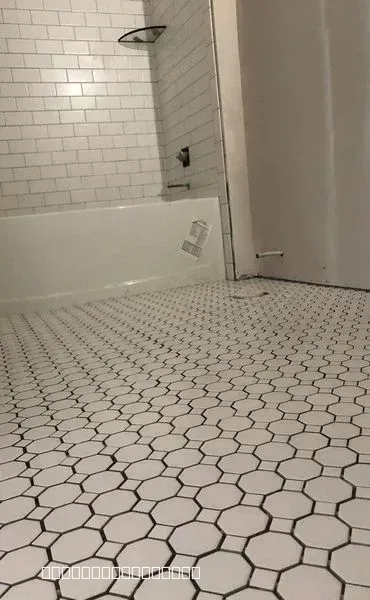
New Bathroom Tile Installation and Remodel
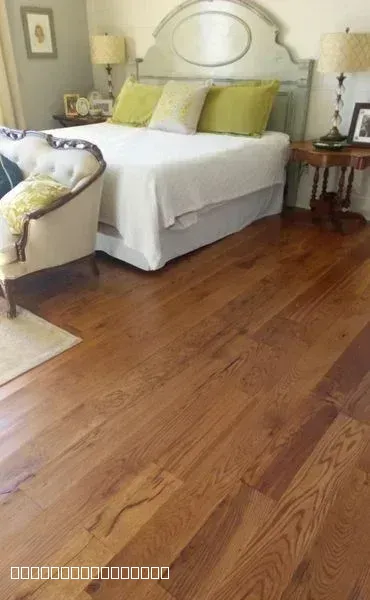
Beautiful Hardwood Flooring Installation in Bedroom
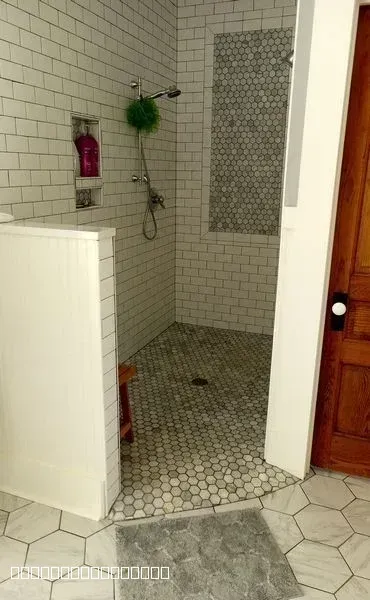
Modern Walk-In Shower With Subway Tile
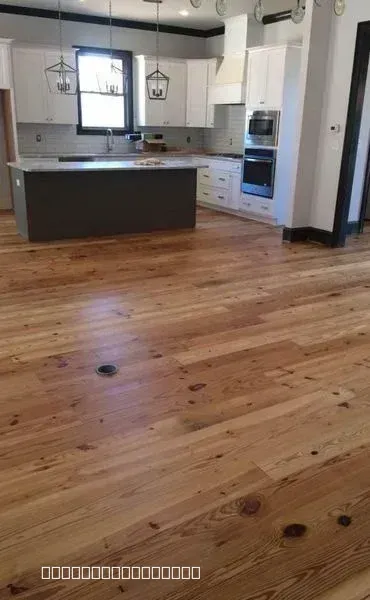
Modern Kitchen with New Hardwood Flooring
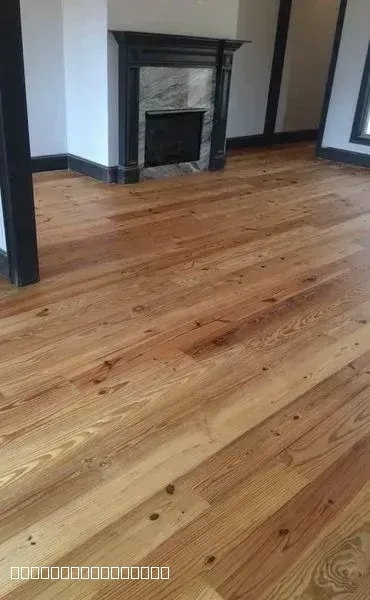
Beautiful Hardwood Flooring Installation with Fireplace
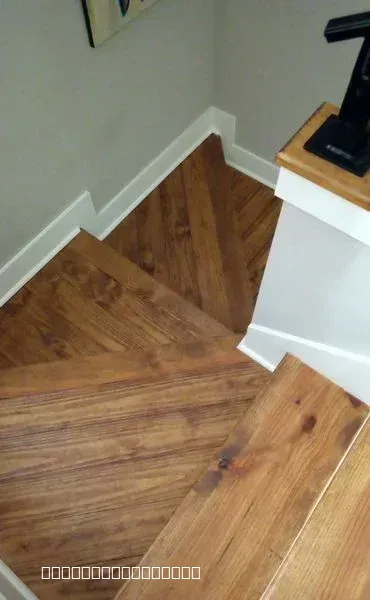
Custom Hardwood Staircase Flooring Installation Project
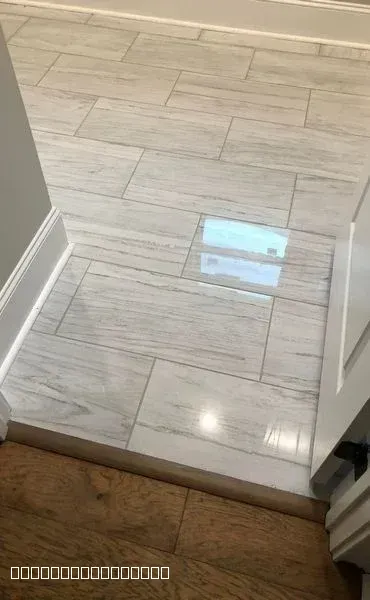
Professional Tile Installation in Modern Home
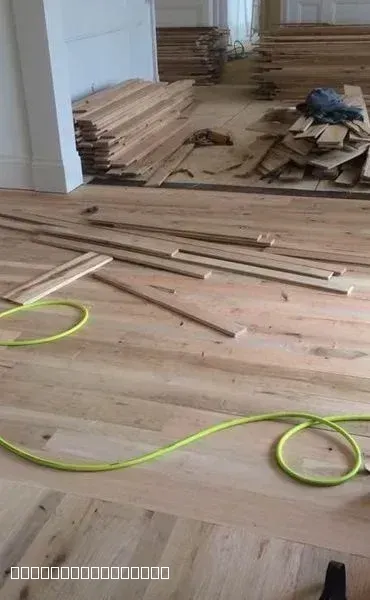
Hardwood Flooring Installation in Progress by TAV Construction
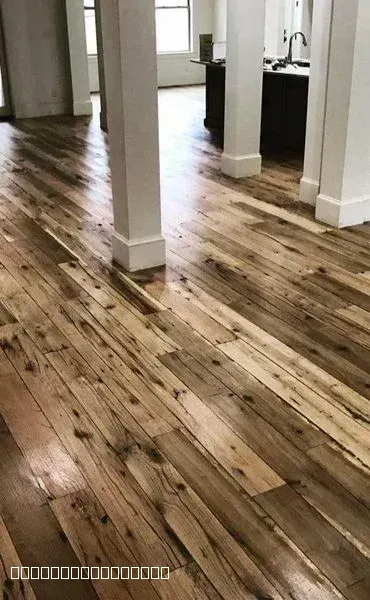
Rustic Hardwood Flooring Installation in Modern Home
What Oxford Homeowners Say
Real reviews from flooring installation and home renovation projects in North Mississippi.
"My experience with TAV Construction was great. Gavin the brick layer does excellent work. He's good at what he does. I would recommend him to anyone who's looking for someone who's dedicated to doing his job. My hat goes off to him..."
Reginald Nicholson
2026-04-17
"Glevin is a kind and generous human being - and from there, his talent flows. I've worked with him multiple times, hiring him to install tile, flooring - anything where finish counts. He is dependable, reasonable, thoughtful and considerate. A true professional."
Matthew Hackworth
2026-03-12
Engineered Wood Flooring FAQs
Common questions from Oxford and Lafayette County homeowners considering engineered hardwood.
1What is the average cost for engineered wood flooring installation?
Labor price per square foot Material grade variations Regional Oxford pricing
2Can engineered wood be refinished?
Veneer thickness (wear layer) Number of sandings possible Professional assessment
3Is engineered wood better than solid wood for concrete slabs?
Dimensional stability Glue-down performance Moisture management
4How long does engineered wood flooring last?
20-50 year lifespan Maintenance impact Warranty coverage
5What is the difference between engineered wood and laminate?
Real wood layer vs printed image Resale value impact Texture and feel
6Does engineered wood need to acclimate?
24-48 hour window Stacking protocols Temperature control
7Which brands of engineered wood do you recommend?
Durability ratings Local availability in Oxford Finish quality
8Is engineered wood flooring scratch-resistant?
Top coat hardness (Janka scale) Aluminum oxide finishes Pet and kid durability
Still have questions?
We're here to help you find the answers.
Serving Oxford, Lafayette County & Surrounding Communities
Conveniently located for Oxford and North Mississippi customers
Hours
Monday - Friday: 9am - 6pm
Saturday: 9am - 5pm
Sunday: Closed
Get an Engineered Wood Flooring Quote
We'll assess your subfloor conditions, recommend the right grade and installation method, and provide a transparent estimate — no guesswork.