Field Communication
Project updates are framed around site status, not vague progress language. Owners know what changed, what remains open, and what Atlas needs from them to keep work moving.
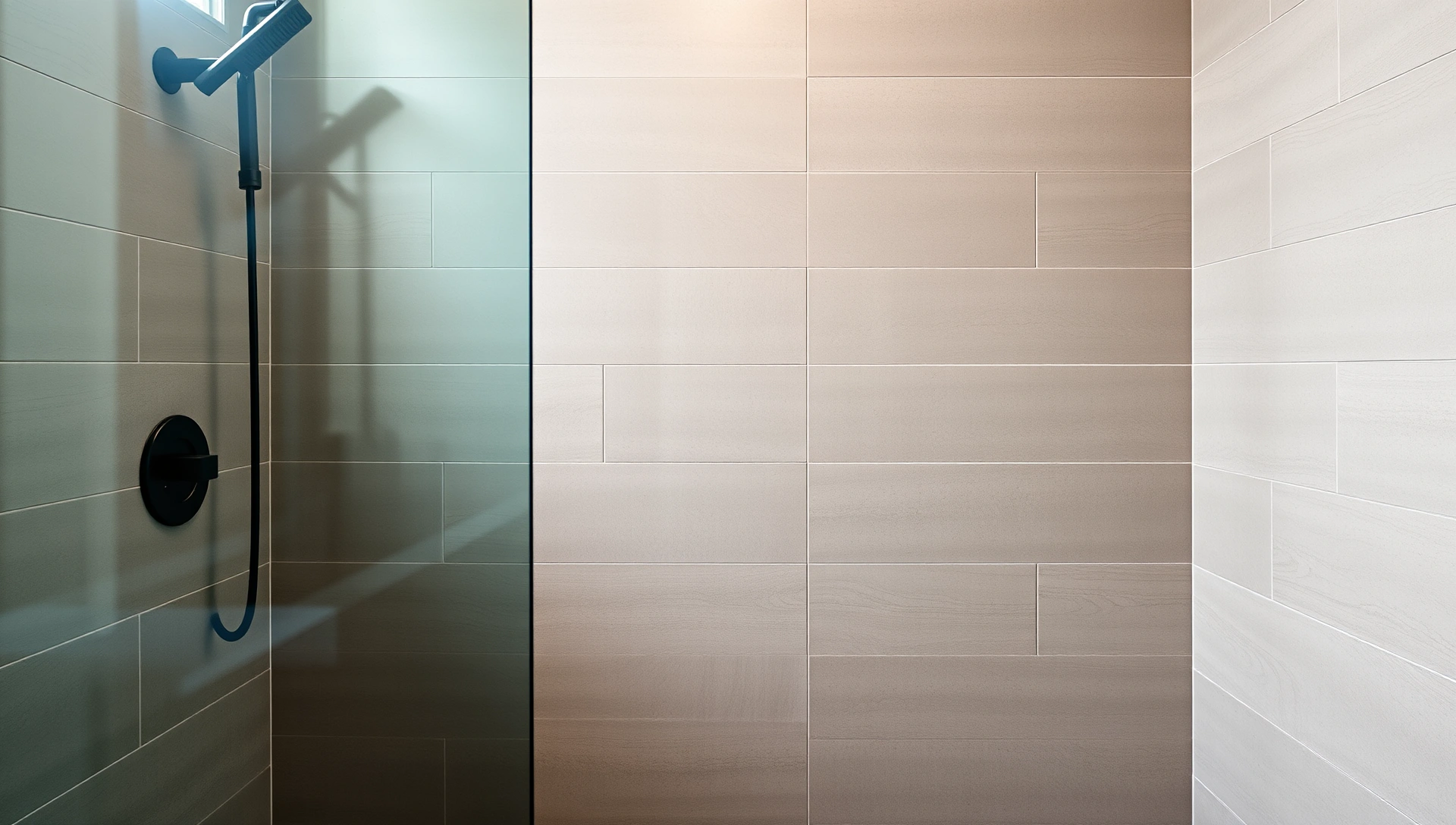
Zellige, herringbone, subway, and mosaic — TAV Construction designs and installs kitchen backsplashes that become the focal point of your home. Serving Oxford and all of Lafayette County.
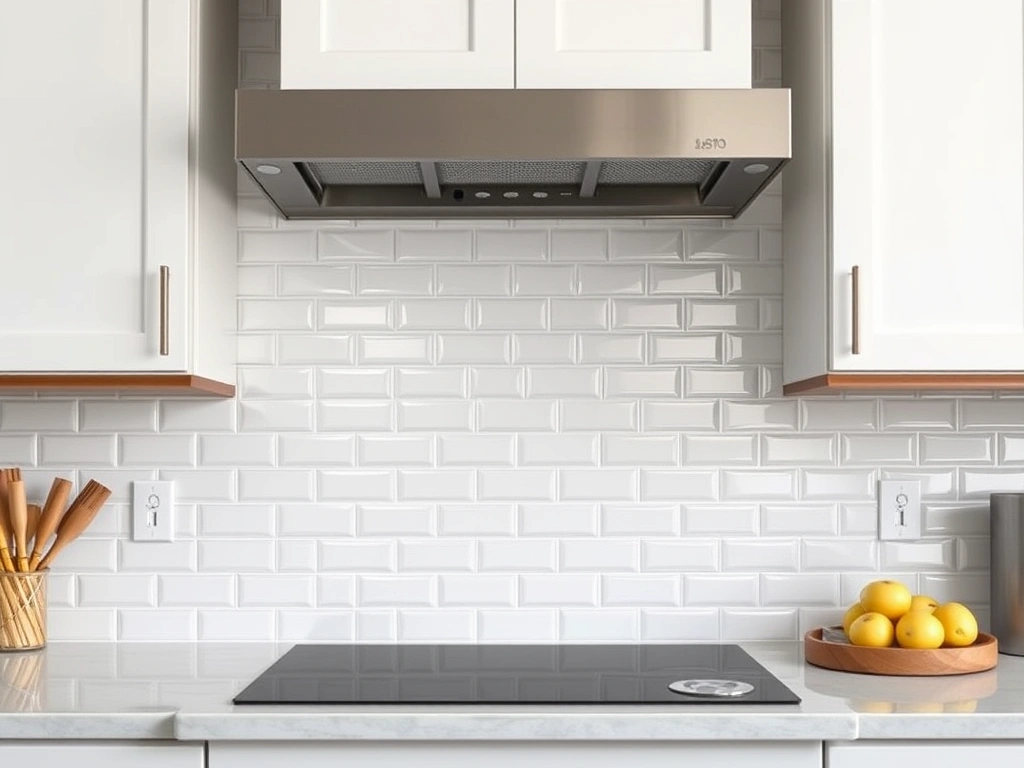
A backsplash is more than protection — it's the first thing guests notice when they walk into your kitchen. Done right, it ties your cabinetry, countertops, and lighting into a cohesive space. Done wrong, it's visible every single day. TAV Construction specializes in precision backsplash installation across Oxford and Lafayette County, working with materials that demand real craft: Zellige, handmade ceramics, natural stone, and large-format porcelain.
We begin every backsplash project with a layout planning session — dry-laying tile before adhesive ever touches the wall, establishing centerlines, mapping outlet and switch locations, and calculating waste for pattern cuts. That upfront discipline is what separates a professional finish from one that looks slightly off no matter how nice the tile is.
Each tile is hand-cut and kiln-fired, creating natural variation in surface, color, and edge. Requires a no-spacer technique and master-level eye for alignment. The result is a living, textured wall that flat machine tile cannot replicate.
The workhorse of kitchen backsplashes — reliable, cleanable, and timeless. We install these in classic brick offset, stacked, herringbone, and vertical patterns depending on your cabinet scale.
Travertine, slate, and marble backsplashes require sealed installation and careful grout selection. We handle sealing at installation and advise on maintenance so the stone looks right in year ten, not just year one.
Glass tile is unforgiving — the substrate must be perfectly flat and the adhesive white (to prevent color bleed). Mosaic sheets require careful seam alignment across the field for a continuous pattern look.
Fewer grout lines, easier cleaning, and a modern slab-like aesthetic. 24×48 and larger formats require full back-buttering and a completely flat substrate — shortcuts show immediately.
Most tile contractors focus on the tile. We focus on everything around it — the drywall behind it, the outlets cutting through it, the under-cabinet edge framing it. That's what separates a backsplash that holds up from one that cracks, peels, or just looks slightly wrong for years.
TAV's interior envelope approach means the drywall behind your backsplash gets the same attention as the tile itself. We skim, sand, and verify flatness across the entire field before layout begins. Any soft spots, popped screws, or moisture damage get addressed — not tiled over. A flat, sound substrate is the single biggest factor in backsplash longevity.
Outlets, switches, under-cabinet lighting strips, and range hood surrounds all interrupt the tile field. We measure and cut each opening to within 1⁄16″ so standard wall plates sit flush with no visible gap. For tile-height outlet extensions needed when backsplash thickness exceeds the box depth, we coordinate with your electrician or handle the extension rings directly.
Backsplash work happens in a working kitchen — your countertops, appliances, and cabinets are all adjacent to the work zone. We mask countertops, cover appliances, and lay drop cloth over flooring before cutting begins. Tile cutting produces fine silica dust; we use wet saws and HEPA-filtered vacuums to keep that dust out of your kitchen air and drawers.
Herringbone is the most popular pattern upgrade we install — and the one most likely to reveal layout errors. A misaligned centerline or inconsistent joint spacing is visible across the entire field once you step back. Our process for any angled pattern:
Oxford kitchen backsplash projects typically run $12–$28 per square foot installed, depending on material choice and pattern complexity. Here's what drives the number:
Free on-site estimates for Oxford and all of Lafayette County.
Schedule Your EstimateBrowse completed kitchen backsplash and tile projects across Oxford and Lafayette County.
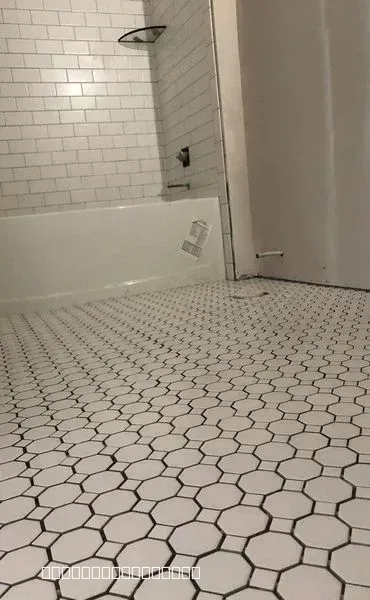
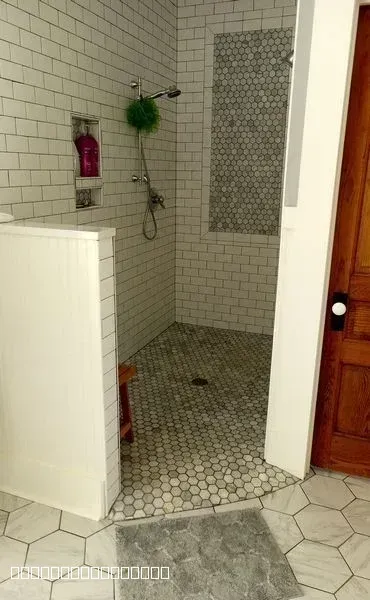
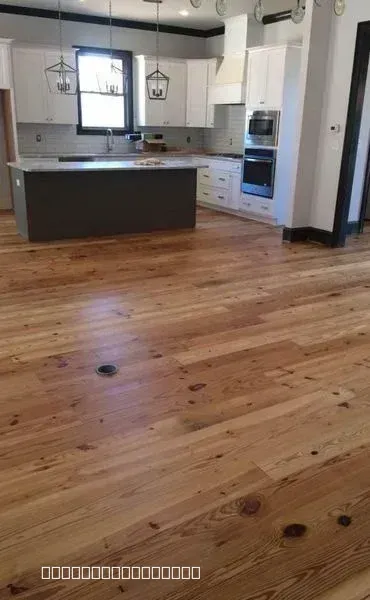
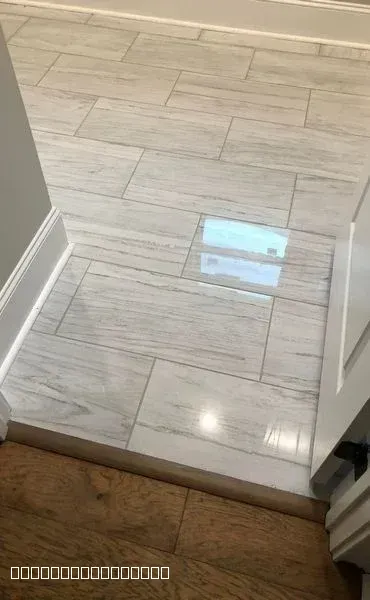
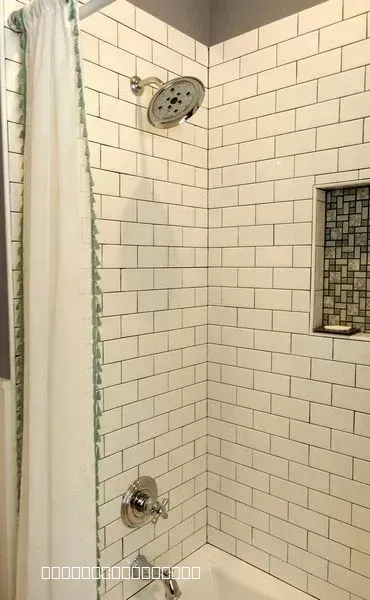
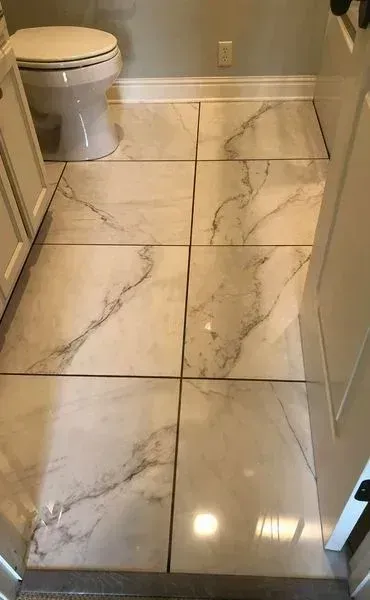
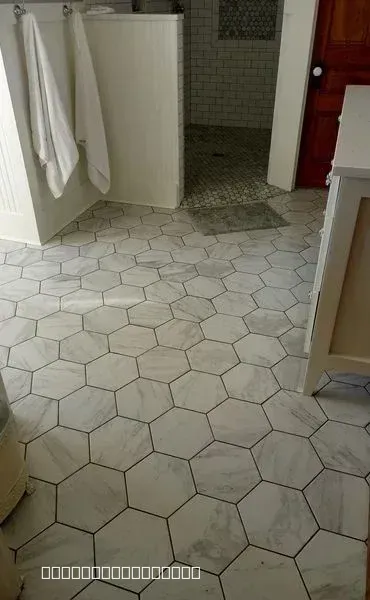
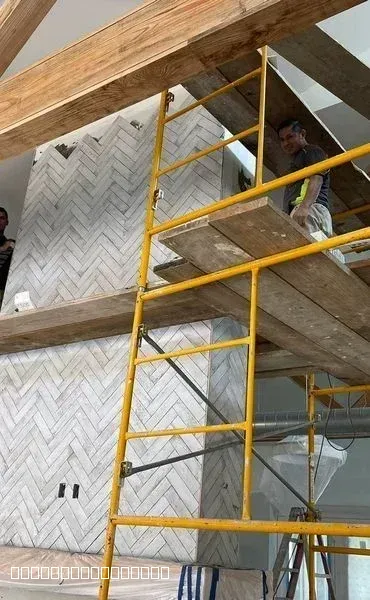
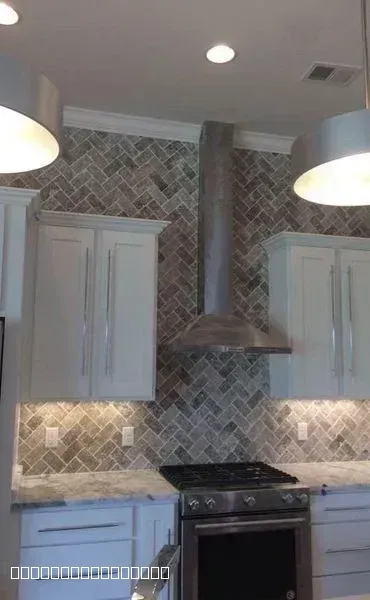
Real feedback from Lafayette County clients on finished backsplash and tile projects.
"Tav Construction exceeded our expectations on installing a runner for our staircase in our guest cottage. We look forward to using them again on future projects in our home in Plein Air"
Steve Corso
2026-05-12
"My experience with TAV Construction was great. Gavin the brick layer does excellent work. He's good at what he does. I would recommend him to anyone who's looking for someone who's dedicated to doing his job. My hat goes off to him..."
Reginald Nicholson
2026-04-17
"Excellent flooring work and very dependable."
Scott Hayes
2026-04-17
"Glevin is a kind and generous human being - and from there, his talent flows. I've worked with him multiple times, hiring him to install tile, flooring - anything where finish counts. He is dependable, reasonable, thoughtful and considerate. A true professional."
Matthew Hackworth
2026-03-12
""
Reuben Jaime
2025-12-05
""
Sultan Fadel (Alsultanko)
2025-12-04
Full waterproofed shower surrounds — Schluter systems, custom niches, and floor-to-ceiling tile for Oxford bathrooms.
Learn more →Porcelain, ceramic, and natural stone bathroom floors installed on properly waterproofed substrates throughout Lafayette County.
Learn more →Kitchen renos often need drywall work before the backsplash goes up. We handle both in a single coordinated project.
Learn more →Common questions from Lafayette County homeowners about backsplash materials, costs, and installation timelines.
Material type influence Labor per square foot Complexity of pattern
Surface preparation Adhesive selection Drywall repair integration
Handmade variation No-spacer technique Master-level craftsmanship required
1-3 days average Curing time Grouting phase
Demolition services Drywall remediation Surface leveling
Large format porcelain Glazed ceramic Grout sealing
Aspect ratio requirements Waste factor considerations Layout precision
Client-provided materials Vendor recommendations Quality verification
Still have questions?
We're here to help you find the answers.
TAV Construction is based in Oxford, MS and serves all of Lafayette County including Abbeville, Water Valley, and Taylor. Call or request an estimate online — we come to you.
Monday - Friday: 9am - 6pm
Saturday: 9am - 5pm
Sunday: Closed
From a simple subway tile refresh to a full Zellige feature wall — TAV Construction delivers backsplash installs that last. Free estimates for Oxford and all of Lafayette County.
TAV Construction coordinates inspections, containment planning, documentation, and field communication for property owners, facilities teams, and general contractors across Custom Tile Backsplashes. That means faster scheduling, cleaner handoffs between trades, and fewer surprises once work begins. We document site conditions carefully, outline the sequence of work before crews mobilize, and keep the project tied to one clear contact path through /contact-us or 662-371-3921. Instead of treating field work as an isolated crew dispatch, Atlas builds the project around a practical sequence: first stabilize the immediate risk, then document conditions, then coordinate the next trade or clearance requirement so the site never stalls because one handoff was missed.
On projects involving environmental response, the difference is usually in the coordination detail rather than the sales language. The teams that keep schedules intact are the teams that isolate unaffected areas early, account for occupancy concerns before equipment arrives, maintain a clean record of moisture readings or compliance observations, and keep owners informed about what happens next. Atlas uses that structure on residential losses, public-sector work, and commercial projects because the goal is the same in each case: move the site from uncertainty to an orderly plan with the fewest possible surprises.
For owners in Custom Tile Backsplashes, that approach matters because delays rarely stay isolated. A missed containment step can expand demolition scope. A weak documentation trail can slow an insurance file or a regulator review. An unclear sequencing plan can leave restoration contractors or tenants waiting on information that should have been established on day one. Atlas keeps those dependencies visible, confirms responsibilities before crews leave site, and makes sure every phase connects cleanly to the next one.
Atlas approaches documentation as part of field execution, not as an administrative afterthought. Photo records, material observations, equipment logs, and site notes are collected while crews are actively working so property owners, adjusters, facilities teams, and follow-on contractors are looking at the same factual record. That reduces disagreement about scope and makes it easier to justify why a contained work area, a selective demolition decision, or a drying continuation was necessary. It also keeps the project from becoming dependent on memory after the fact, which is where many jobs begin to drift.
Site protection is handled with the same mindset. Atlas is not interested in solving one problem by creating three secondary ones. We account for occupant movement, adjacent finishes, equipment staging, dust or humidity migration, and the order in which materials are removed or preserved. When the work is complete for the day, the site should have a defensible status: contained where it needs to be contained, cleaned where it needs to be cleaned, and clearly documented so the next crew or decision-maker understands the current condition without guesswork.
Clear next steps are part of the deliverable. Owners should know whether they are moving into clearance, structural drying continuation, follow-on restoration, selective demolition, insurance review, or a final closeout phase. That forward visibility is especially important on Colorado projects with weather exposure, tenant turnover, public-sector oversight, or tightly sequenced construction schedules. Atlas keeps the conversation grounded in what is actually required on site, what has already been completed, and what is needed to move the job forward without reopening finished work.
Project updates are framed around site status, not vague progress language. Owners know what changed, what remains open, and what Atlas needs from them to keep work moving.
Containment, material protection, and sequencing are used to keep unaffected areas from becoming part of the job. That protects both schedule and budget.
Every phase should end with a clear record of what was completed and what the next responsible party needs. That is how Atlas reduces rework and stalled handoffs.